By Omid @ Glass go Llc, Licensed Technician · · 12 min read
OEM vs Aftermarket Windshield: A Dallas Guide
OEM vs aftermarket windshield: what Dallas drivers should know about cost, quality, and ADAS. A certified tech explains which glass fits your vehicle.

Here is how we explain the oem vs aftermarket windshield difference to customers at the counter. An OEM windshield comes from the same manufacturer that made your car's original glass. An aftermarket windshield comes from a third-party company that builds to fit your vehicle. At GlassGo, our certified auto glass technicians have installed both types across Dallas since 2010, and we help drivers choose based on vehicle age, ADAS requirements, and budget.
If you have ever stared at two quotes and wondered why one windshield costs twice as much, you are not alone. The oem vs aftermarket windshield question confuses a lot of people because the difference is not always visible from the driver's seat.
You want glass that fits correctly, keeps you safe, and does not wreck your budget. We will walk through what each type actually is, what it costs, and how we decide which one goes in your vehicle. By the end, you will know exactly what to ask any shop before you book.
Key Takeaways- OEM windshields carry the car brand's logo and match factory tolerances exactly; aftermarket windshields are built by third-party manufacturers to fit your vehicle's specs.- Auto glass replacement at GlassGo runs from $250 to $2,000, and the OEM vs aftermarket choice is usually the biggest single factor in that range.- A small chip or crack does not always mean a full replacement - we emphasize repairing chips whenever possible to preserve the vehicle's integrity, save money, and reduce waste.- Most post-2018 vehicles need ADAS recalibration after a windshield swap, and we recalibrate in-house so your safety systems work correctly.- Our mobile service comes to your home, office, or roadside across the Dallas metro at no extra charge for most areas.
Get a straight answer on your specific vehicle with our free glass quote.
OEM vs Aftermarket Windshield Glass: The Short Answer
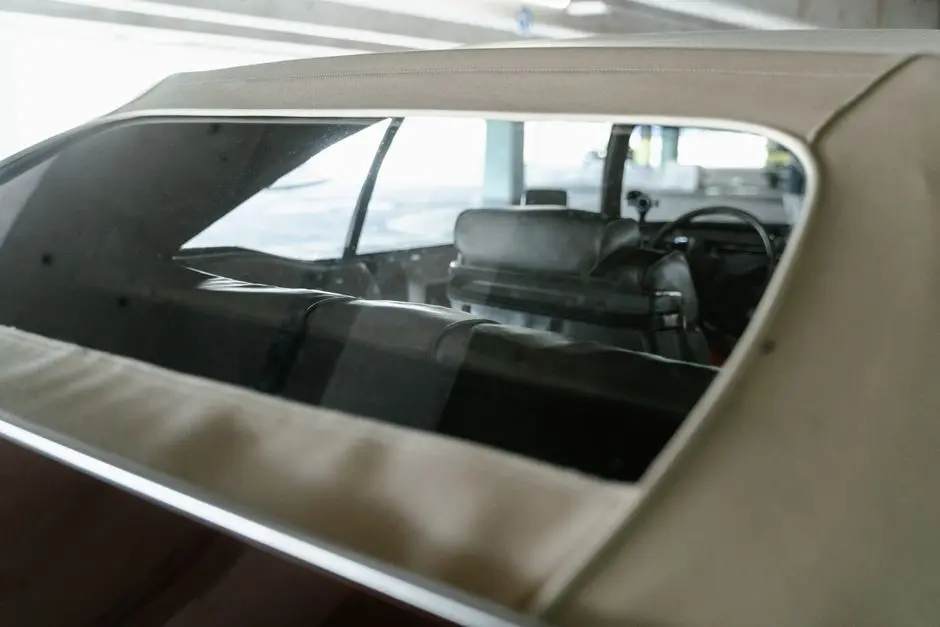
An OEM windshield is made by the same company that supplied your car's factory glass, often carrying the vehicle manufacturer's branding on the corner of the glass. An aftermarket windshield is made by a third-party manufacturer to fit your vehicle's specifications. Both can be safe, correct choices. The right one depends on your car's age, its ADAS equipment, and what you want to spend.
Here is the part most national articles skip. We install both types across Dallas every week. Our certified auto glass technicians look at the actual vehicle before recommending anything. Auto glass replacement at GlassGo runs from $250 to $2,000[1]. The spread between OEM and aftermarket is usually the biggest single factor in that range.
One more thing worth saying early. A small chip or crack does not always mean a full replacement. We emphasize repairing chips whenever possible to preserve the vehicle's integrity, save money, and reduce waste. If the damage is small and outside the driver's line of sight, a repair may be all you need.
Our lifetime workmanship warranty against leaks and defects covers OEM and aftermarket installations identically for as long as you own the vehicle. That is a detail most national listicles never address, and it matters when you are comparing quotes.
Get a straight answer on your specific vehicle with our free glass quote.
What OEM Windshield Glass Actually Means
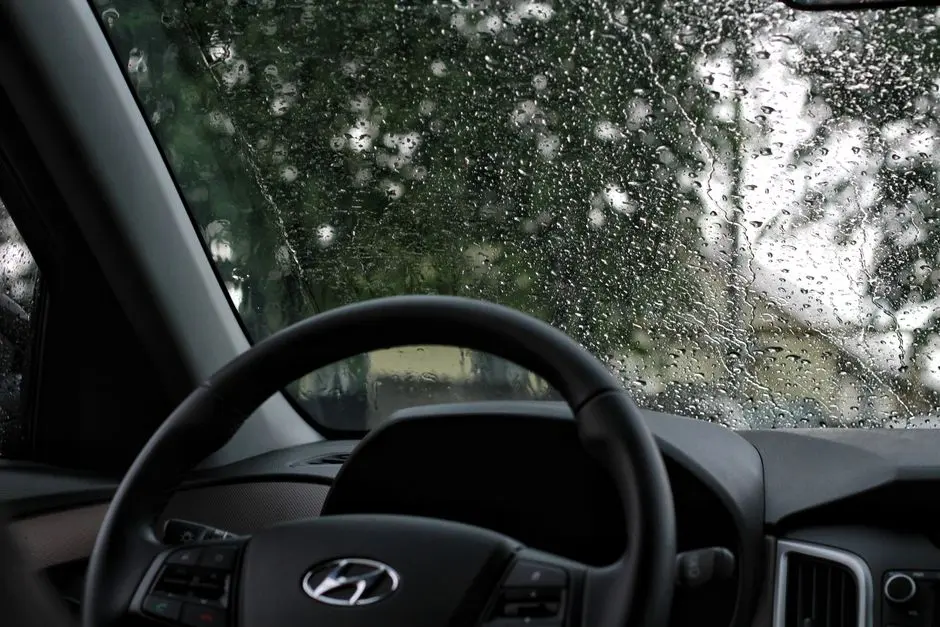
OEM stands for original equipment manufacturer. In windshield terms, that means the glass was made by the same company that produced the glass your vehicle left the factory with. It may carry the car brand's logo or the glass manufacturer's stamp in the corner.
Here is what that gets you in practical terms:
- Exact factory thickness and curvature, matched to your vehicle's original tolerances
- Manufacturer branding and part numbers in the glass etching
- Consistent optical clarity that matches the original windshield
- A direct replacement path for newer vehicles with forward-facing cameras and sensors
Our certified auto glass technicians see the difference most clearly on newer cars with tight tolerances. A windshield that is even slightly off in curvature can create wind noise or optical distortion. On an older vehicle, that same aftermarket glass may fit perfectly well because the tolerances were simpler to begin with.
Windshield replacement with OEM glass is the closest thing to putting the car back exactly the way it was built. For a newer vehicle, that matters more. For an older one, it may not matter at all.
What Aftermarket Automotive Glass Is (and Isn't)
Aftermarket automotive glass is produced by companies that do not supply the original factory glass. These manufacturers build windshields to match a vehicle's specifications, but they sell under their own brand names rather than the car maker's.
A common misconception is that aftermarket glass is cheap or unsafe. That is not accurate. We only install glass that meets federal safety standards - economy tier included - so the question is never safety, it is fit and optical quality. The difference is usually in branding, minor tolerances, and sometimes the quality of the acoustic interlayer.
What aftermarket glass is not is a single quality level. The $250 to $2,000[1] range for auto glass replacement exists in part because aftermarket glass spans several quality tiers. A windshield replacement quote that seems too low may be using economy-tier glass. A mid-range quote may use a premium aftermarket brand that is nearly identical to OEM.
The practical question is not whether aftermarket glass is good. It is which aftermarket glass you are being quoted and whether it matches what your vehicle needs.
Aftermarket Glass Quality Tiers Explained
Here is how we explain the tiers to customers at the counter:
Tier | What It Is | Best For | Typical Fit and Finish |
|---|---|---|---|
OE-equivalent | Made to match original specs closely, often by a major glass manufacturer | Newer vehicles without strict ADAS needs | Very close to factory fit, minimal distortion risk |
Premium aftermarket | Reputable brand with good tolerances and acoustic interlayer options | Mid-age vehicles, budget-conscious owners | Good fit, slight variation possible in curvature |
Economy aftermarket | Lowest-cost glass, may have thinner interlayer or looser tolerances | Older vehicles, secondary vehicles | Acceptable fit, higher chance of minor optical waves |
Our certified auto glass technicians check the actual glass before installation. We have sent economy-tier windshields back when the curvature was visibly off. That is a check a phone quote cannot do.
OEM vs Aftermarket Windshield: Does It Affect ADAS?
This is the question we hear most from drivers of newer cars. The honest answer is that aftermarket glass can affect ADAS performance, but it does not have to. The bigger factor is the recalibration that happens after the windshield swap.
In our shop, most post-2018 vehicles that come in for a windshield need static or dynamic recalibration. The cameras and sensors mounted behind the glass read through it. If the glass thickness, curvature, or optical clarity changes, the system can misread lane markings or following distances. That is a safety problem, not just a convenience issue.
Here is the tradeoff in plain terms:
Pros of aftermarket glass with ADAS:
- Lower upfront cost on the glass itself
- Many premium aftermarket brands are built to work with ADAS systems
- Recalibration can correct for minor optical differences
Cons of aftermarket glass with ADAS:
- Economy-tier glass may have optical distortion that recalibration cannot fully fix
- Some vehicle manufacturers specify OEM glass for ADAS-equipped models
- A shop that skips recalibration leaves the system unverified
Verdict: aftermarket glass can work with ADAS if the glass tier is right and the recalibration is done properly. The recalibration is the part you cannot skip.
Here is why economy-tier distortion cannot be fully corrected by recalibration. The camera reads through the windshield itself. If the glass has optical waves or uneven thickness, the camera sees a distorted image. Recalibration adjusts the system's reference points, but it cannot fix a lens that is warped from the start. For post-2018 vehicles with forward-facing cameras, we recommend OE-equivalent or better, never economy tier.
We recalibrate in-house, which means the same team that installs the glass verifies the cameras afterward. A customer with a 2019 VW Jetta came to us after a sunroof glass replacement and noticed wind noise. We sent our head technician to inspect it, made the adjustments, and test drove the car until the issue was resolved. That is the standard we apply to ADAS recalibration too. See our ADAS calibration guide for the full process.
Cost Difference Between OEM and Aftermarket Windshields
The oem vs aftermarket windshield cost gap is usually the biggest single factor in your quote. Auto glass replacement at GlassGo runs from $250 to $2,000[1]. That range exists because of three things: the type of car, the material used, and the labor involved. OEM glass usually sits at the higher end of that range for any given vehicle. Aftermarket glass sits lower.
A customer summed up what matters after his windshield replacement: price, quality, speed - and that is exactly what the OEM vs aftermarket choice trades against. Here is how the cost typically breaks down:
Cost Factor | What It Includes | How It Moves the Price |
|---|---|---|
Glass type | OEM or aftermarket tier | OEM adds the most; economy aftermarket subtracts the most |
Vehicle model | Sedan, SUV, truck, specialty | Rare or luxury vehicles cost more for any glass type |
ADAS recalibration | Static or dynamic calibration after install | Adds cost on post-2018 vehicles regardless of glass type |
Labor and mobile service | Installation time, travel to your location | Mobile service across the Dallas metro is included for most areas |
The repair-first approach matters here. If your windshield has a small chip or crack, a repair costs far less than any replacement. We emphasize repairing chips whenever possible to preserve the vehicle's integrity, save money, and reduce waste. A repair is the cheapest outcome when the damage qualifies.
Our lifetime workmanship warranty against leaks and defects covers OEM and aftermarket installations identically for as long as you own the vehicle. That means the warranty does not change based on which glass you choose.
How We Decide Which Glass Goes in Your Vehicle
No generic national listicle can answer this for your specific car. Here is the process our certified auto glass technicians follow on every job:
- Check the vehicle year and ADAS equipment. We look at whether the car has forward-facing cameras or sensors behind the glass. That single fact drives most of the OEM vs aftermarket decision.
- Identify the glass location. A windshield with ADAS behind it is different from a rear panel window or a side window. Door, side, and vent glass rarely needs OEM branding.
- Assess the damage. If a repair will restore the glass safely, we recommend that first. Replacement is only the answer when the damage is too large or in the driver's line of sight.
- Present the glass options with honest tradeoffs. We quote the OEM option and the best aftermarket option, then explain what each one means for your vehicle.
- Install and verify. Our mobile auto glass service comes to your home, office, or roadside. After installation, we verify fit, check for leaks, and recalibrate ADAS when the vehicle requires it. We compare against national chains in our honest look at mobile glass service vs local DFW shops.
A customer with a 1993 Corolla needed a side window after construction equipment hit it. We found an original window for that car and handled the regulator issue at the same time. On a vehicle that old, the glass location mattered more than the OEM label. The right call was the part that fit correctly and got the car safe again.
Another customer, Mason, had his truck windows replaced three times after break-ins. He called us each time, and we came right away to replace them. He also had us replace his windshield. When a customer trusts you across years and vehicle types, you know the process works.
Deborah Wilson spent a month being told her Nissan NV200 rear panel windows could not be found. She called us on a Wednesday afternoon. By the next Tuesday, we had sourced the windows. She dropped off the van Wednesday and picked it up Friday with the new glass installed, in time for her vacation. That job had nothing to do with OEM branding. It was about finding the right part for a specialty vehicle and getting it done before a deadline.
For a deeper look at how repair compares to replacement, see our windshield repair vs replacement guide.
FAQ: OEM vs Aftermarket Questions Dallas Drivers Ask
Is aftermarket windshield glass good quality?
Yes, premium aftermarket windshield glass is good quality and meets federal safety standards. The key is knowing which tier you are being quoted. Economy-tier glass has looser tolerances and may show minor optical waves. Premium aftermarket brands are often nearly identical to OEM. Ask any shop which tier they are quoting before you compare prices.
Does aftermarket glass affect ADAS?
It can, but the recalibration matters more than the glass itself. Aftermarket glass with the right optical clarity can work with the safety systems. Economy glass may distort what the camera sees. We recalibrate in-house after every ADAS-equipped windshield replacement, so the system is verified before the car leaves.
Do you come to me for windshield replacement?
Yes. We offer mobile service across the Dallas metro at no extra charge for most areas. We replace and repair glass at your home, office, or roadside. That means you do not have to drive with damaged glass or rearrange your day around a shop visit.
How long does a windshield take?
Most windshield replacements take about 60 minutes, plus safe drive-away cure time. We will tell you exactly when it is safe to drive. The adhesive needs time to reach full strength, and we do not rush that step.
Get a Straight Answer on Your Specific Vehicle
The oem vs aftermarket windshield decision comes down to your vehicle, your ADAS equipment, and your budget. A newer car with cameras behind the glass usually justifies OEM. An older car without those systems often does not. Either way, you should know which glass you are paying for before you book.
That is why we walk every customer through the options and the tradeoffs. Our lifetime workmanship warranty covers every installation against leaks and defects for as long as you own the vehicle. Most windshield replacements take about 60 minutes, plus safe drive-away cure time. We tell you exactly when it is safe to drive. If something is not right, we come back and make it right. That is the get it done right guarantee behind every job.
Call us at (972) 408-6233 or get a free quote for your specific vehicle. We will show you the OEM vs aftermarket windshield options side by side and tell you exactly what fits your car and what it costs. We are open Monday through Friday 7 a.m. to 6 p.m., Saturday 7 a.m. to noon, and Sunday 10 a.m. to 2 p.m. Get your free glass quote now.
See how our warranty compares in our lifetime warranty guide.