By Omid @ Glass go Llc, Licensed Technician · · 11 min read
Static vs Dynamic ADAS Calibration: What Your Car Needs
Static vs dynamic ADAS calibration explained: which type your car needs after a windshield replacement and why skipping it risks your safety systems.
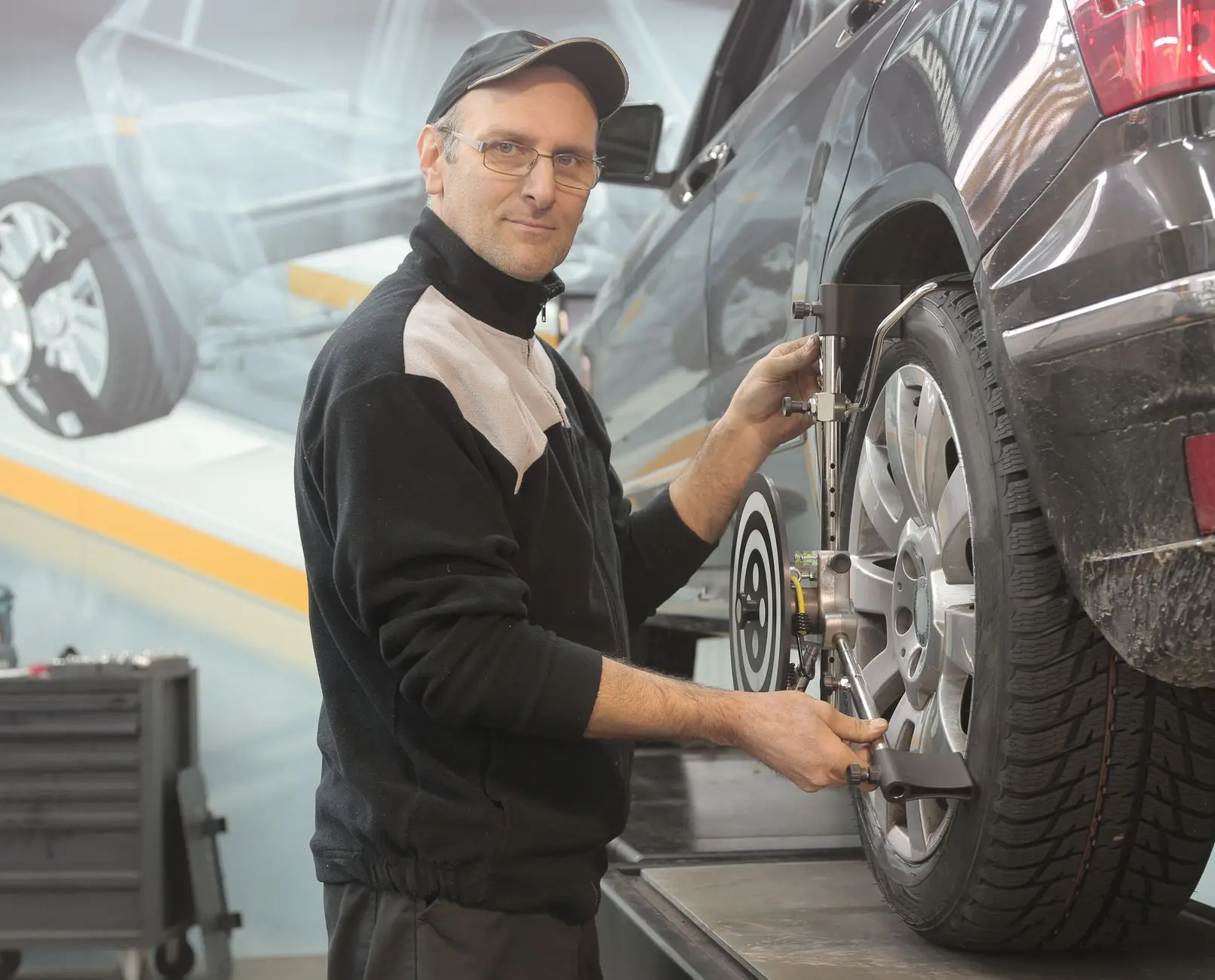
After a windshield replacement on any modern vehicle, you face one critical question: does your car need static vs dynamic ADAS calibration? The answer depends on your vehicle's make, model, and the sensors mounted behind the glass. Static calibration uses precise target boards in a controlled shop bay. Dynamic calibration requires driving the vehicle on clear roads so its systems can self-learn. Many post-2018 vehicles need one or both to keep features like lane-keep assist and automatic emergency braking working correctly. At GlassGo, our certified technicians perform both types in-house across Dallas. We recalibrate in-house so your safety systems work correctly.
Quick answer: Static calibration happens in our shop with fixed targets. Dynamic calibration happens on the road with a scan tool connected. Some vehicles require both back-to-back. If your car has a forward-facing camera behind the windshield, skipping calibration means your safety systems may not work when you need them most.
You already know a cracked windshield is a safety problem. What many drivers do not realize is that the repair itself can disable the very systems designed to protect you, unless the shop recalibrates the ADAS sensors afterward. This article gives you the plain-English breakdown of static versus dynamic calibration. You will learn which makes and models need which type, how long each takes, and what actually happens to your car's safety net if calibration is skipped or done wrong. I am Omid, the manager at GlassGo. Our shop has been serving Dallas drivers for over 16 years, and I have seen firsthand how a skipped calibration turns a safe repair into a hidden risk.
Static vs Dynamic ADAS Calibration: The Plain-English Answer
ADAS stands for Advanced Driver Assistance Systems. Think of the camera mounted behind your rearview mirror and the radar sensors in your grille or bumper. After a windshield replacement, the new glass can sit slightly differently from the old one, so the camera's aim must be rechecked and reset against the manufacturer's targets. A shift that small is enough to misread lane lines or misjudge the distance to the car ahead. Calibration realigns the camera and sensors so they see the road the way the manufacturer programmed them to.
Here is the distinction that matters to you as a vehicle owner:
- Static calibration is performed inside our shop. We position the vehicle at a precise distance from a set of manufacturer-specified target boards. The system uses those fixed reference points to reset the camera's angle, horizon, and field of view. The car never moves during the process.
- Dynamic calibration requires driving the vehicle. A scan tool stays connected to the OBD-II port while our technician drives on clear, well-marked roads at a steady speed. The system watches lane lines, reads road signs, and builds its own baseline using real-world data.
- Some vehicles need both. The static step establishes the camera's geometric baseline. The dynamic step then verifies that baseline holds up under actual road conditions. Skipping either one leaves the system incomplete.
Why Some Vehicles Need Both Back-to-Back
When a manufacturer requires static and dynamic calibration in sequence, each step serves a distinct purpose. Static calibration sets the geometric baseline: the camera learns its exact position relative to the vehicle's centerline, the horizon, and the target boards. That baseline is precise but theoretical. Dynamic calibration then takes that baseline onto real roads. The system watches actual lane lines, reads real speed-limit signs, and confirms the static alignment holds up under driving conditions. If the dynamic step finds a discrepancy, the calibration fails and we correct it before returning the vehicle. Skipping either step leaves the system incomplete, which is why we never shortcut the process on vehicles that call for both.
Our certified auto glass technicians handle this every day. When you call us after a windshield replacement, the first thing we check is whether your vehicle has forward-facing cameras or sensors behind the glass. If it does, recalibration is not optional - it is a required step to restore the safety systems your family relies on. We recalibrate in-house, so you never wait on a third-party shop to finish the job.
If you have a windshield replacement coming up, get a free quote that includes your calibration requirement: See your windshield replacement cost.
What Dynamic (Driving) Calibration Involves
Dynamic calibration is a road test with a computer plugged in. The process follows a specific sequence that the vehicle manufacturer dictates. Here is how it works, step by step:
- Connect the scan tool. Our technician plugs a factory-level diagnostic tool into your vehicle's OBD-II port. The tool initiates the calibration mode and communicates directly with the ADAS module.
- Meet the road conditions. The system demands clear lane markings, minimal traffic, and a specific speed range. Weather matters too: heavy rain or direct glare can abort the process.
- Drive the prescribed route. The technician drives while the system watches lane lines, reads speed-limit signs, and tracks the horizon. The car's camera compares what it sees against the expected values from its factory programming.
- Let the system complete. The scan tool displays real-time progress. Once every parameter passes, the module stores the new calibration values. The tool confirms completion, and the warning lights on the dash turn off.
The driving portion takes as long as the vehicle's system needs to complete its checks. The technician needs a clear stretch of road in the Dallas area with good lane markings. We plan the route before pulling out of the bay. Most post-2018 vehicles require this step after a windshield swap. That is why we invested in the equipment and training to do it ourselves rather than sending you to a dealer. As a licensed and insured shop, we own the result from start to finish. I am Omid, the manager at GlassGo, and I stand behind every calibration our team performs.
What Static (Target-Board) Calibration Involves
Static calibration happens entirely inside our shop under controlled conditions. We perform static calibration in-house with certified technicians because it keeps your timeline short and the quality under our control.
The process follows these steps:
- Set up the vehicle. We park the car on a level surface at the exact distance from the target stand that the manufacturer specifies. Tire pressures are checked first because a low tire changes the camera's angle.
- Position the target boards. Each manufacturer uses a unique target pattern. We mount the correct board or set of boards at the prescribed height and distance. A laser measure confirms placement to within a millimeter.
- Control the lighting. The shop bay must have even, shadow-free lighting. Harsh reflections or uneven brightness confuse the camera during its self-test.
- Initiate calibration with the scan tool. The diagnostic tool talks to the ADAS module and walks it through the alignment sequence. The camera locks onto the target pattern, measures its position, and adjusts its internal coordinates.
- Verify the values. The scan tool reports whether every parameter falls within the acceptable range. We confirm the calibration stored correctly before moving the vehicle.
The time this takes depends on the vehicle and the target setup the manufacturer requires. We perform static calibration in-house because it keeps your timeline short and the quality under our control. Our shop is licensed and insured, and every technician who touches your vehicle is certified on the equipment they use.
Which Makes and Models Need Which Calibration
Our certified technicians recalibrate in-house every day across the Dallas metro. The calibration type your vehicle needs depends on its make, model, trim level, and the specific ADAS package installed. Most post-2018 vehicles with forward-facing cameras or sensors behind the windshield require recalibration after a glass swap. The requirement is not a guess - it is set by the manufacturer and tied to your VIN.
When you call us, we look up your VIN in the manufacturer database and tell you exactly which calibration type your windshield replacement requires. That step costs you nothing and prevents a dangerous guess. We have been doing this work in Dallas for over 16 years, and the one constant across every make is that guessing gets expensive.
Check your vehicle's calibration requirement before your windshield appointment: Read our full Dallas ADAS guide.
If you are comparing glass options, our OEM vs aftermarket windshield guide explains how glass choice affects calibration. For a broader look at how Texas heat spreads chips into cracks, see why windshield chips spread in Texas heat.
What Happens If Calibration Is Skipped or Done Wrong
The consequences are not theoretical. An uncalibrated or miscalibrated ADAS camera makes decisions based on bad data, and those decisions happen at highway speed.
- Lane-keep assist drifts or overcorrects. The camera misreads the lane center and steers you toward the line, or it fights your input when you are centered.
- Automatic emergency braking triggers late, early, or not at all. A small angular error at the camera translates to a meaningful misjudgment of distance at highway speed. The system may brake for a shadow or fail to brake for a stopped car.
- Adaptive cruise control follows too close or too far. The distance measurement relies on the camera's alignment. An error means the gap the system maintains is not the gap you set.
- Traffic-sign recognition reads incorrectly. The camera may misidentify a speed-limit sign or miss it entirely, feeding bad information to the instrument cluster and the adaptive cruise logic.
Skipping calibration is a liability problem for the shop and a physical risk for you. Most post-2018 vehicles require it after a windshield swap. We invested in the equipment and training because sending that work out to a third party adds time and introduces a handoff where errors hide. When we do the calibration ourselves, we own the result. I am Omid, the manager at GlassGo, and I have seen the difference firsthand: a properly calibrated system reacts predictably, and a skipped one does not.
How Long Each Calibration Type Takes
Time matters when your car is out of service. A windshield replacement itself takes about 60 minutes, plus the safe drive-away cure time we explain before you leave. The calibration step fits into the same appointment, so you are not making two trips.
How long the calibration adds depends on three things: which type the manufacturer requires for your vehicle, how involved the target setup is for that make and model, and whether static and dynamic must run back-to-back. A static-only calibration takes as long as the target alignment sequence for your specific vehicle. A dynamic-only calibration takes as long as the road test the system needs to complete its checks. When both are required, the two steps happen in sequence during the same visit. We confirm the exact timeline when you schedule, because your vehicle's specific requirements drive the schedule.
We have had customers like Amy, who needed a windshield replacement and was worried about cost. GlassGo quoted her the lowest price she found in the metroplex. Alan scheduled her for the next day, came to her workplace so she did not miss any time, and finished the installation in under an hour. For a full windshield replacement with calibration, we give you a clear timeline based on your VIN before you book. No surprises show up on the invoice.
Auto glass replacement costs range from $250 to $2,000 depending on the vehicle, glass type, and labor. The calibration is a separate line item that we quote upfront based on your VIN. As a licensed and insured shop with certified technicians, we handle the entire job in one appointment so you are not driving between shops.
See how long your specific vehicle takes: ADAS calibration time breakdown.
Find a calibration shop near you: ADAS calibration near me in DFW.
FAQ: ADAS Calibration Questions After a Windshield Replacement
Do I need ADAS recalibration after a windshield replacement?
If your vehicle has a forward-facing camera or sensors mounted behind the windshield, the answer is yes. Recalibration realigns those components after the glass swap so your lane-keep, emergency braking, and adaptive cruise systems work correctly. We check your VIN against the manufacturer requirements and tell you exactly what is needed before we start the job.
What is the difference between static and dynamic ADAS calibration?
Static calibration uses fixed target boards in a controlled shop bay to reset the camera's alignment. Dynamic calibration requires driving the vehicle on clear roads with a scan tool connected so the system self-learns using real lane lines and signs. Some vehicles need static first to establish a baseline, then dynamic to verify real-world performance.
How long does ADAS calibration take?
The calibration step fits into the same appointment as your windshield replacement, which itself takes about 60 minutes plus safe drive-away cure time. How long the calibration adds depends on which type your vehicle requires, the target setup for your make and model, and whether static and dynamic must run back-to-back. We confirm the total timeline when you schedule, based on your VIN.
Do you come to me for calibration or do I need to visit the shop?
Static calibration requires our controlled shop bay with the target boards and lighting setup, so that portion happens at our location. Dynamic calibration occurs on the road. We offer mobile glass service across the Dallas metro for the replacement itself, and we coordinate the calibration step with you so the entire job fits your schedule.
Is there a warranty on ADAS calibration?
Every calibration we perform is backed by our lifetime workmanship warranty. If a calibration-related issue arises from our work, we correct it at no charge for as long as you own the vehicle. This covers leaks and defects tied to the installation and calibration.
How much does ADAS recalibration cost?
We quote the calibration cost upfront based on your VIN, because the price depends on the vehicle and the type of calibration required. The calibration is a separate line item on your invoice, with no hidden fees. Call us with your year, make, and model and we will give you a straightforward number before you schedule anything.
Get Your Vehicle's Calibration Requirement Checked
The difference between static and dynamic ADAS calibration comes down to your specific vehicle. Guesswork puts your safety systems at risk. A two-minute VIN lookup tells us exactly which type your car needs and whether it requires both back-to-back.
We are a licensed and insured glass shop serving Dallas. Our certified technicians perform both static and dynamic calibration in-house, so your windshield replacement and recalibration happen in one appointment with one team accountable for the result. You get a clear quote upfront, a realistic timeline, and a lifetime workmanship warranty on every installation.
Call us at (972) 408-6233 or request a free quote online. Tell us your vehicle's year, make, and model, and we will confirm your calibration requirement before you schedule anything.
If you are researching costs, our ADAS recalibration cost guide for Dallas breaks down what drives the price. For a deeper look at why calibration matters after any windshield job, start with our complete Dallas ADAS guide.